DEI Meaning in the USA: Understanding Diversity, Equity, and Inclusion in America
Diversity, Equity, and Inclusion have become major talking points across American boardrooms, college campuses, and state legislatures. But what exactly does this acronym stand for in a practical sense?
In the United States, DEI represents a framework that organizations use to promote fair treatment and full participation for all people. This concept addresses historical imbalances and aims to build environments where everyone feels valued, regardless of their background. As the American workforce becomes more diverse, understanding the exact DEI meaning in the USA is no longer just an HR requirement; it is a core business strategy.
This guide breaks down the true meaning of DEI, explores its history in the US, compares its core concepts, and looks at both the benefits and the current political challenges surrounding these programs.
What is the DEI Meaning in the USA?
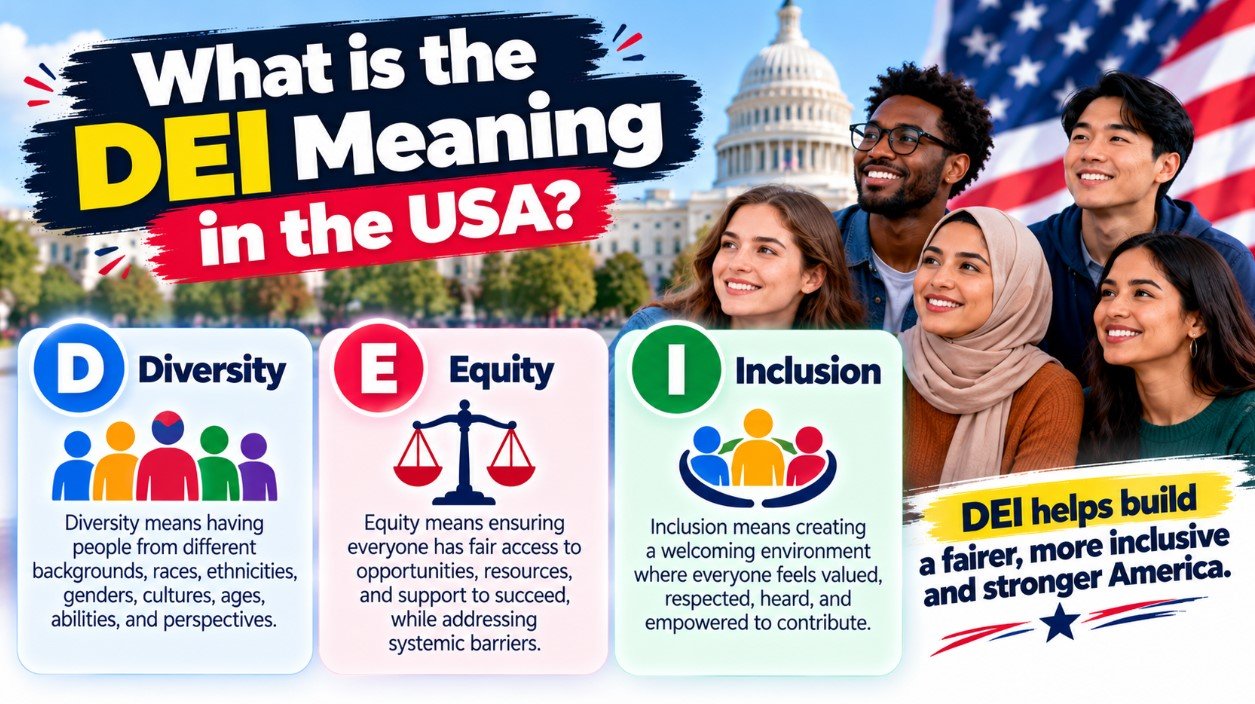
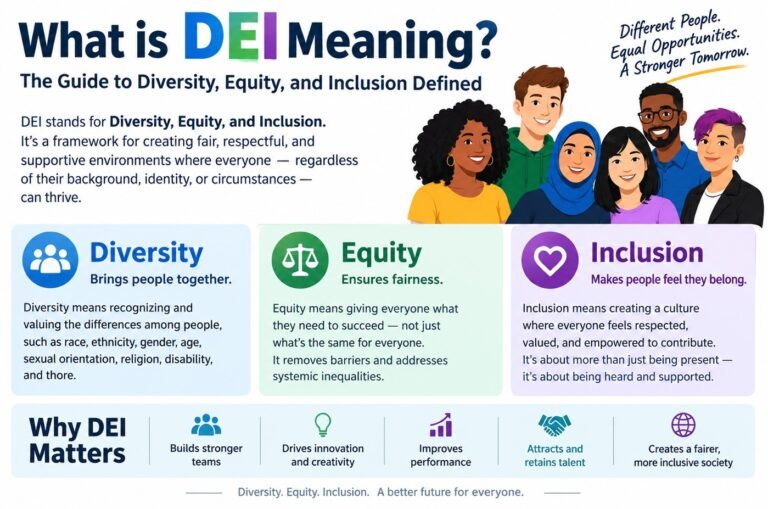
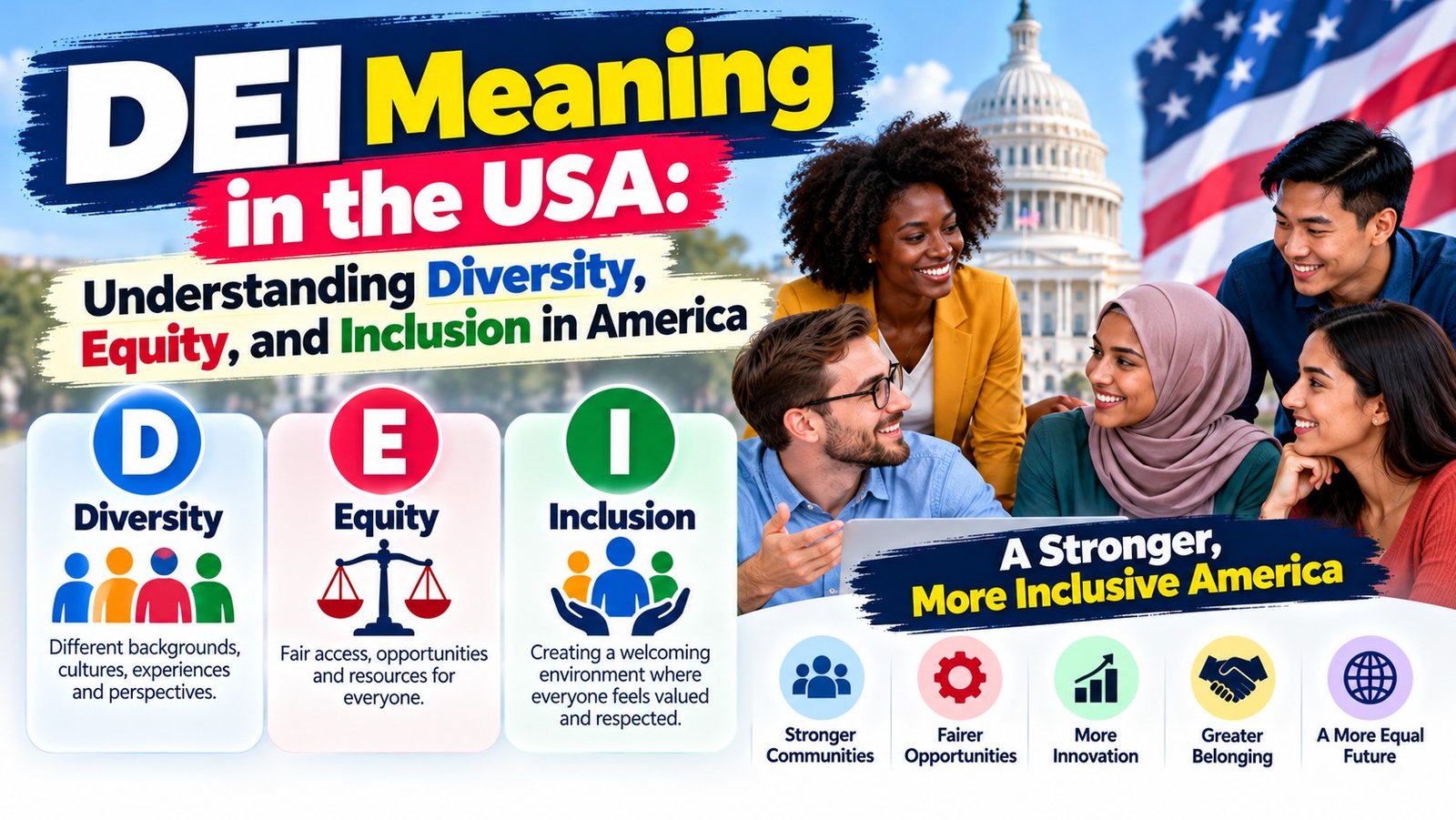
To fully grasp the DEI meaning in the USA, we must break down the acronym into its three distinct, yet interconnected, pillars. Each word serves a specific purpose in building a healthy organizational culture.
Diversity: Beyond the Surface
Diversity refers to the presence of differences within a given setting. In an American workplace, this means employing people from various backgrounds, races, genders, sexual orientations, religions, and ages. However, diversity goes much deeper than just demographics.
It also includes neurodiversity, varying educational backgrounds, socioeconomic statuses, and physical abilities. A diverse company in the USA reflects the actual makeup of the American public. Simply put, diversity is about who is in the room.
Click Here: DEI meaning
Equity: Leveling the Playing Field
Equity is often confused with equality, but they are very different. Equity acknowledges that different people have different starting points. Due to historical and systemic barriers in the US, not everyone has equal access to resources.
An equitable workplace identifies these imbalances and provides specific support so that everyone has a genuine chance to succeed. For example, offering screen-reading software for a visually impaired employee is an act of equity. It gives them the exact tools they need to perform at the same level as their peers.
Inclusion: Creating a Sense of Belonging
If diversity is being invited to the party, inclusion is being asked to dance. Inclusion is the practice of ensuring that diverse individuals actually feel welcomed, respected, and supported.
An organization can be highly diverse but fail completely at inclusion. Inclusive environments actively involve all employees in decision-making processes. They create psychological safety, meaning employees feel comfortable sharing their unique perspectives without fear of judgment or retaliation.
The Evolution of DEI in America
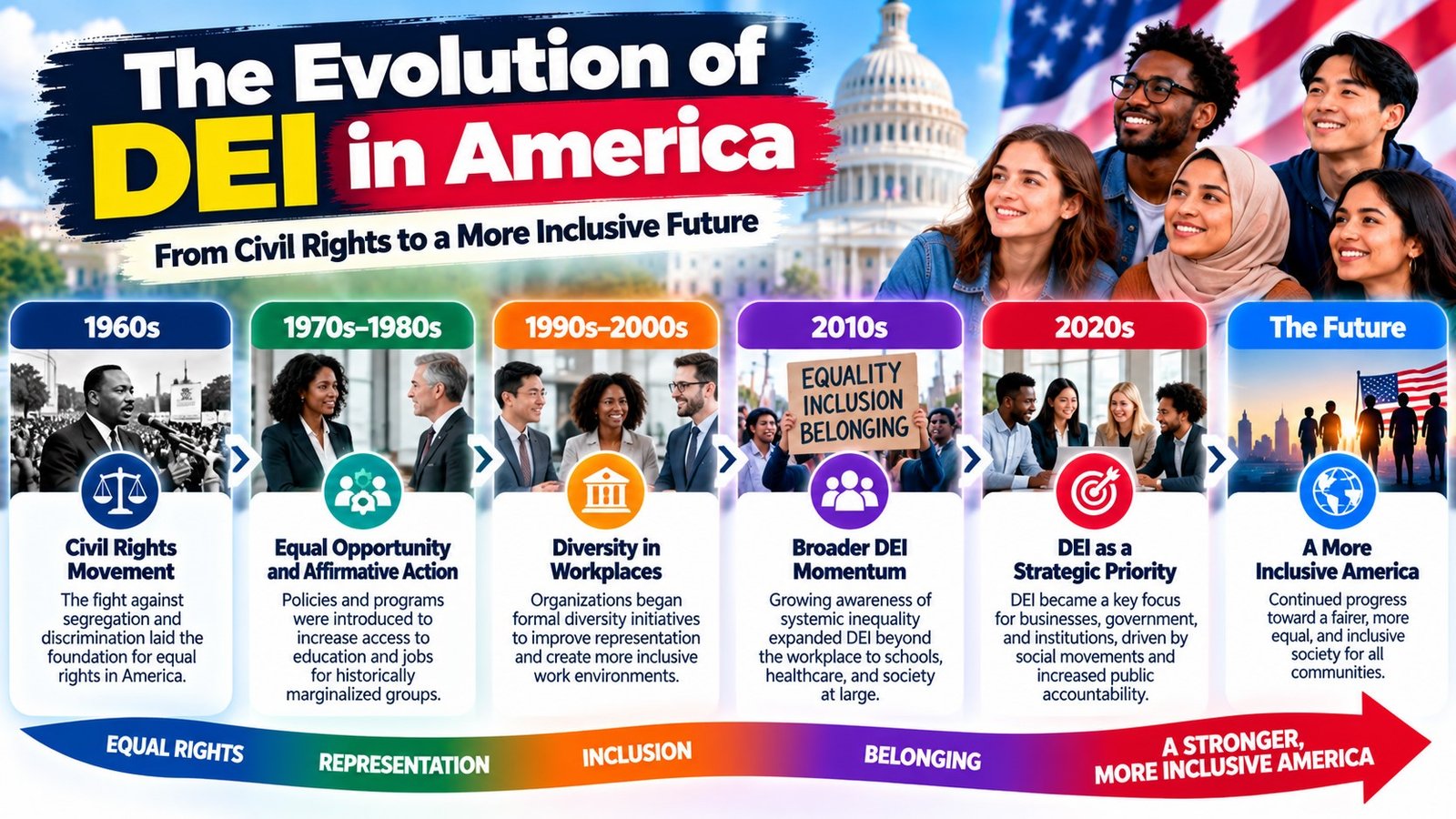
Understanding the DEI meaning in the USA requires looking back at American history. These concepts did not appear overnight; they are the result of decades of social and legal shifts.
Roots in the Civil Rights Movement
The foundation of modern DEI traces back to the Civil Rights Act of 1964. Title VII of this act made it illegal for employers to discriminate based on race, color, religion, sex, or national origin. This legislation forced American companies to fundamentally change their hiring practices. It also led to the creation of the Equal Employment Opportunity Commission (EEOC), which still enforces these federal laws today.
The Shift from Affirmative Action to DEI
In the late 1960s and 1970s, Affirmative Action policies were introduced. These policies required government contractors and certain businesses to take proactive steps to hire marginalized groups.
However, by the late 1990s and early 2000s, corporate America realized that simply meeting hiring quotas was not enough. High turnover rates among minority employees showed a lack of workplace support. The focus shifted from legal compliance (Affirmative Action) to cultural transformation (Diversity and Inclusion). Recently, “Equity” was added to address the systemic structural barriers, finalizing the modern DEI framework we see today.
Click Now: Pookie Meaning
Equality vs. Equity: Understanding the Difference
Many people struggle to understand why American companies focus on equity rather than equality. Here is a clear breakdown of how the two concepts differ in practice.
| Feature | Equality | Equity |
| Definition | Giving everyone the exact same resources and opportunities. | Giving everyone the specific resources they need to succeed. |
| Core Assumption | Everyone starts from the exact same place. | People start from different places with different systemic barriers. |
| Focus | Fairness through uniformity. | Fairness through targeted support and adjustments. |
| US Workplace Example | Giving all employees a standardized standing desk. | Giving standing desks, ergonomic chairs, or accessible workstations based on individual physical needs. |
Why DEI Matters for US Businesses Today
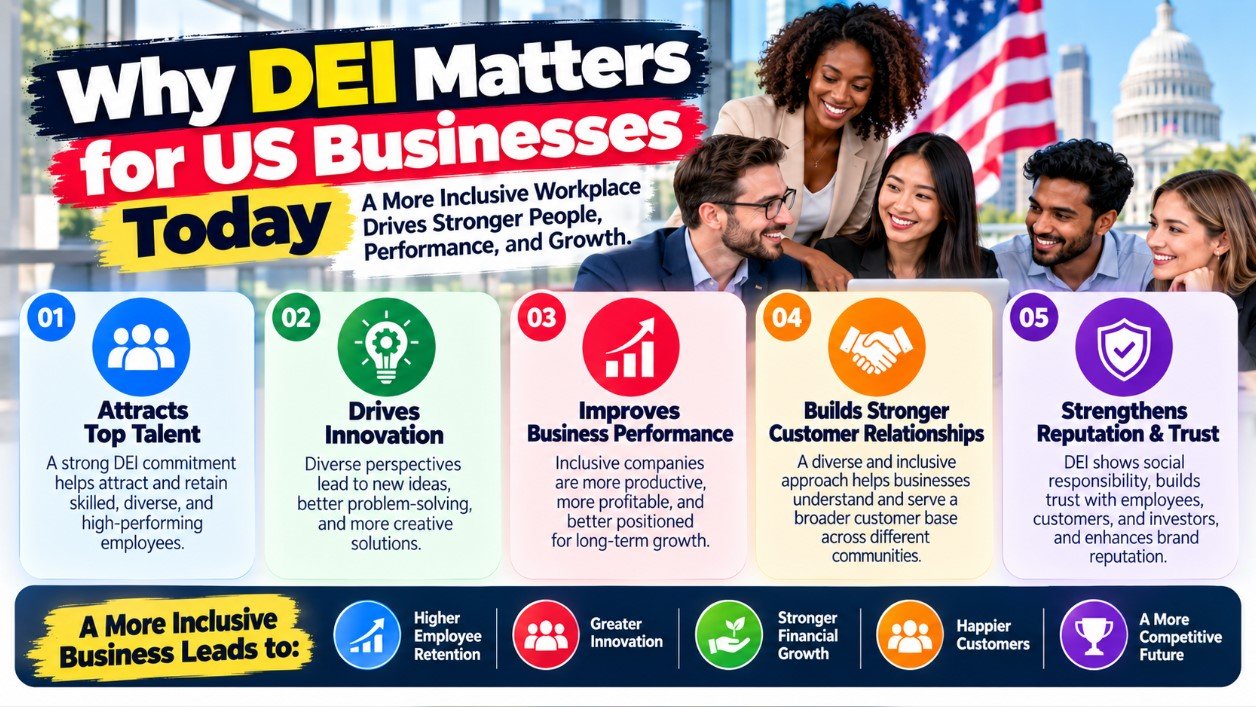
DEI is deeply tied to business performance. Implementing these practices is no longer just a moral initiative; it is a proven economic strategy for American companies.
- Financial Growth: Numerous studies, including research by McKinsey & Company, show that companies with diverse executive teams are much more likely to experience above-average profitability.
- Talent Attraction: Millennials and Gen Z currently make up the majority of the US workforce. These generations highly prioritize inclusive cultures. Companies without clear DEI values struggle to attract top young talent.
- Innovation: When a team consists of people with different life experiences, they approach problem-solving differently. This prevents “groupthink” and leads to more innovative products and services.
- Market Reach: The US consumer base is highly diverse. Companies that employ diverse teams are better equipped to understand, market to, and serve a diverse customer base.
Pros and Cons of DEI Initiatives
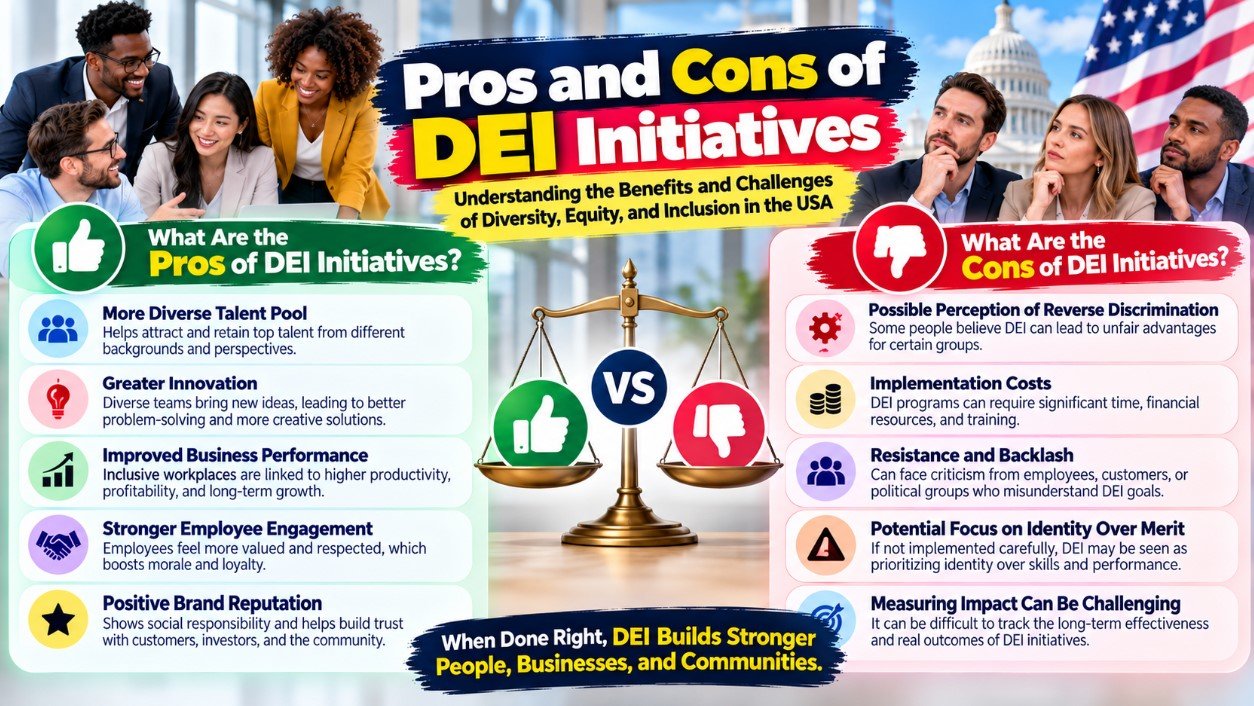
Like any corporate framework, DEI programs have both clear benefits and potential challenges when implemented in the USA.
The Pros
- Boosts Employee Morale: When people feel valued for who they are, their job satisfaction and loyalty increase.
- Reduces Legal Risk: Proactive DEI and bias training can help companies avoid costly discrimination lawsuits.
- Improves Decision Making: Diverse teams look at data from multiple angles, leading to smarter, more calculated business decisions.
- Enhances Brand Reputation: Consumers increasingly prefer to spend money with brands that demonstrate social responsibility.
The Cons
- Implementation Friction: Poorly executed DEI programs can sometimes feel forced, leading to resentment or “diversity fatigue” among staff.
- Risk of Tokenism: If companies hire diverse candidates simply to look good on paper, those employees often feel isolated and undervalued.
- Political Backlash: In the current US climate, DEI has become heavily politicized, making it difficult for some brands to navigate public relations.
The Current Landscape: Politics and Pushback
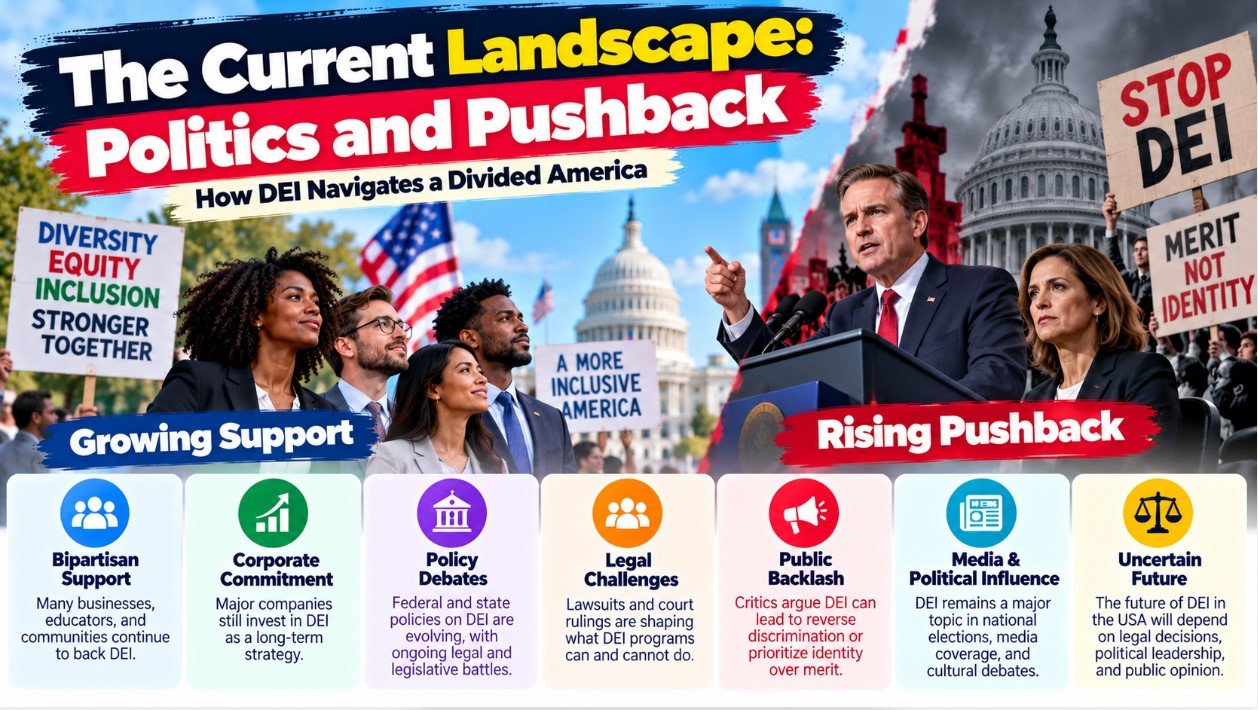
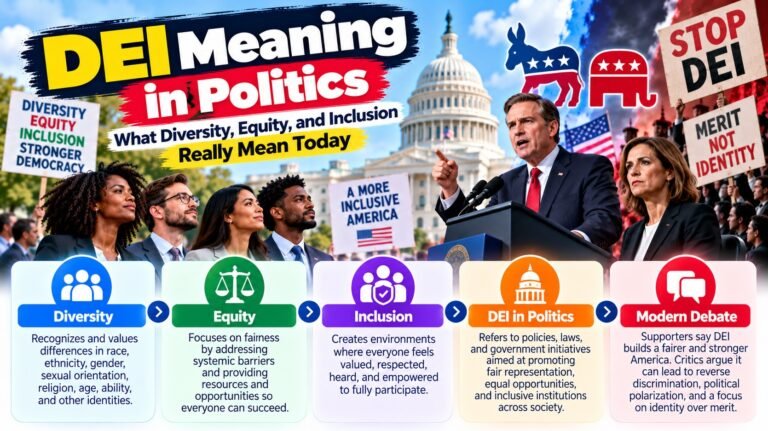
The DEI meaning in the USA has recently taken on a political dimension. Over the past few years, there has been significant pushback against DEI initiatives, particularly in the public sector.
Legislative Changes in Various States
Several US states, including Florida and Texas, have passed legislation banning DEI offices and funding in public universities. Critics of DEI argue that these programs create division, promote reverse discrimination, or enforce specific political ideologies on campuses. This has led to the dismantling of many collegiate DEI departments across the country.
The Corporate Response
While the public sector faces legal restrictions, private corporations in the USA generally remain committed to DEI. However, the language is shifting. Many companies are quietly rebranding their DEI efforts. Instead of using the acronym, they focus on terms like belonging, culture, or inclusive excellence. Despite the political noise, corporate HR leaders recognize that creating a welcoming environment remains critical for keeping a competitive edge in the global market.
Learn More: What is DEI Meaning?
Frequently Asked Questions (FAQs)
1. What does DEI stand for?
DEI stands for Diversity, Equity, and Inclusion. It is a framework used to promote fair treatment and full participation for all individuals in a workplace or institution.
2. Why is DEI so controversial in the USA right now?
DEI has become a political flashpoint. Supporters see it as necessary for addressing systemic inequalities, while critics argue it can lead to reverse discrimination and ideological conformity.
3. Is DEI the same as Affirmative Action?
No. Affirmative Action involves specific policies or quotas designed to increase the representation of marginalized groups, often driven by legal compliance. DEI is a broader, cultural approach focused on creating a fair and welcoming environment for everyone.
4. What does a DEI Manager actually do?
A DEI Manager analyzes company demographics, leads bias training, reviews hiring practices for fairness, helps resolve cultural conflicts, and establishes employee resource groups (ERGs).
5. How do you measure the success of a DEI program?
Success is measured through employee engagement surveys, retention rates of minority employees, demographic data in leadership roles, and pay equity audits.
6. Does DEI only focus on race and gender?
No. A comprehensive DEI strategy also includes age, sexual orientation, disability, veteran status, neurodiversity, and socioeconomic background.
7. Can small businesses implement DEI?
Absolutely. Small businesses can implement DEI by writing inclusive job descriptions, offering flexible work schedules, and ensuring their marketing materials reflect diverse audiences.
8. What does “belonging” mean in the context of DEI?
Belonging is often considered the ultimate goal of DEI (sometimes written as DEIB). It refers to the emotional state where an employee feels completely safe and accepted as their authentic self at work.
9. Are DEI programs legally required in the US?
No, DEI programs themselves are not legally required. However, complying with federal anti-discrimination laws enforced by the EEOC is mandatory.
10. How is DEI changing the US hiring process?
Companies are removing identifiable information from resumes (blind hiring), using structured interviews to reduce bias, and expanding their recruitment networks to reach underrepresented communities.
Conclusion
Understanding the DEI meaning in the USA is essential for anyone navigating the modern American workforce. While the acronym simply stands for Diversity, Equity, and Inclusion, its real-world impact is vast. It shapes how companies hire, how employees interact, and how businesses grow.
Despite current political debates and pushback, the core principles of treating people fairly, removing unfair barriers, and making employees feel valued are here to stay. Organizations that authentically embrace these values will continue to attract the best talent, foster innovation, and succeed in the ever-evolving US market.