Vox Populi Vox Dei Meaning: Origin, Usage, and Democratic Impact
Language shapes how we view power, governance, and society. Among the most famous Latin phrases used in modern politics is “Vox populi, vox Dei.” But what does this age-old proverb actually mean, and why do politicians, journalists, and historians still use it today?
If you are looking for the exact vox populi vox dei meaning, it translates literally to: “The voice of the people is the voice of God.”
In contemporary times, society uses this phrase to validate democracy. It suggests that the collective opinion of the general public holds ultimate authority, mirroring divine will. When a government wins a massive majority in an election, analysts often quote this phrase to explain that the voters have spoken with undeniable force.
However, the history of this quote hides a massive contradiction. The person who originally penned these words actually meant the exact opposite of how we use them today.
In this comprehensive guide, we will break down the true meaning of the phrase, explore its ironic origins, analyze its impact on modern democracies like India, and weigh the pros and cons of treating public opinion as absolute truth.
What is the Exact “Vox Populi, Vox Dei” Meaning?
To understand the core vox populi vox dei meaning, we must look at its Latin roots:
- Vox: Voice
- Populi: Of the people (the public, the masses)
- Dei: Of God (divine authority)
When you put it together, the phrase asserts that the collective will of the masses carries the weight of supreme, unquestionable authority.
Featured Snippet Summary
What does Vox Populi, Vox Dei mean?
The Latin phrase “Vox populi, vox Dei” translates to “The voice of the people is the voice of God.” In modern usage, it means that the collective opinion of the majority is the ultimate authority in a society. It is frequently used in politics to describe election mandates and the power of democracy.
Today, political commentators use this idiom to legitimize election results. When citizens vote out an incumbent government, the media uses this phrase to signal that the public’s judgment is final and must be respected by those in power.
The Surprising History and Origin of the Phrase

You might assume that a phrase championing the power of the people comes from ancient Greek democracy or Roman republics. Surprisingly, it comes from the Middle Ages—and its original author completely disagreed with the concept.
Alcuin of York and Charlemagne
The earliest recorded use of the phrase dates back to 798 AD. It appeared in a letter written by Alcuin of York, an English scholar, to Charlemagne, the King of the Franks.
Alcuin was advising the King on how to govern his empire. In his letter, he wrote:
“Nec audiendi qui solent dicere, Vox populi, vox Dei, quum tumultuositas vulgi semper insaniae proxima sit.”
Translated into English, this means:
“And those people should not be listened to who keep saying the voice of the people is the voice of God, since the riotousness of the crowd is always very close to madness.”
The Irony of Its Original Context
Alcuin used the phrase as a warning, not an endorsement. He believed that the masses were unpredictable, emotional, and easily swayed into mob mentality. To Alcuin, a wise king should rule with intellect and divine right, rather than bowing to the chaotic demands of the common crowd.
Despite Alcuin’s clear warning, history stripped away the first half of his sentence. Over the centuries, society dropped the warning about “madness” and kept only the catchy slogan: Vox populi, vox Dei.
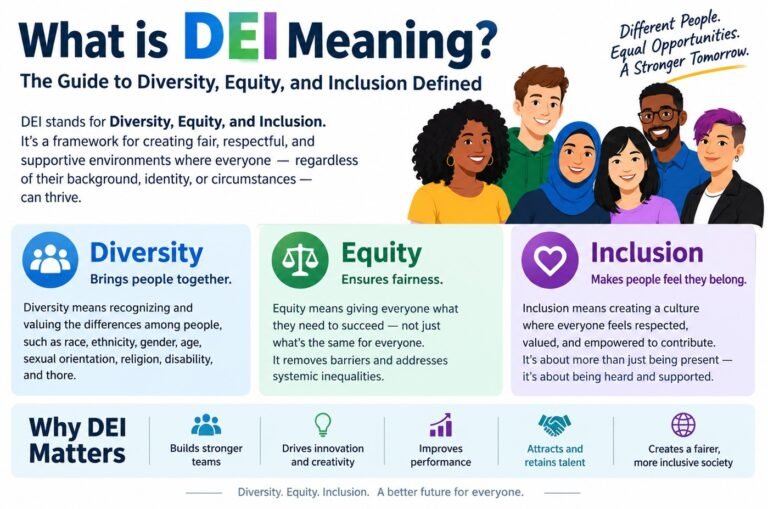
Learn More: What is DEI Meaning? The Guide to Diversity, Equity, and Inclusion Defined
How the Meaning Evolved Over Centuries

Language is fluid, and the usage of this Latin proverb shifted dramatically as political systems changed.
The Rise of Parliament and Democracy
During the 14th century, Archbishop Walter Reynolds used the phrase during a sermon. He used it to justify the removal of King Edward II of England, arguing that the people’s demand for the King’s abdication was essentially God’s will.
This marked a massive turning point. The phrase flipped from a warning against mob rule into a justification for overthrowing bad rulers.
The Enlightenment Era
By the time the Enlightenment arrived in the 17th and 18th centuries, philosophers like John Locke and Jean-Jacques Rousseau were promoting the idea of the social contract. They argued that governments only exist by the consent of the governed. During this era, the concept of “the voice of the people” became the philosophical foundation for modern democracy.
Vox Populi in Modern Democracies

Today, nowhere is the concept of “the voice of the people” more visible than in the world’s largest democracy: India.
Elections and the Mandate of the Masses
In India, general elections involve nearly a billion eligible voters. When the results are announced, the winning party claims a “massive mandate.” Political analysts frequently invoke the vox populi vox dei meaning to explain that the citizens have delivered their final verdict.
Whether a government is voted into power or decisively thrown out, the public’s choice is treated as supreme. The Election Commission of India facilitates this massive exercise, ensuring that the “voice” is recorded accurately through Electronic Voting Machines (EVMs).
The Danger of Majoritarianism
However, modern political scientists also recognize the dangers of taking this phrase too literally. If the voice of the majority is treated as infallible, it can lead to majoritarianism—a system where the majority community forces its will onto minority groups.
To prevent the “madness of the crowd” that Alcuin warned about, modern democracies use Constitutions. A Constitution protects fundamental rights, ensuring that even if the “voice of the people” demands something unjust, the rule of law protects the vulnerable.
Comparison Table: Ideal Democracy vs. Mob Rule
To understand the dual nature of this phrase, we must compare how the “voice of the people” functions in a healthy system versus a broken one.
| Feature | Healthy Democracy (Vox Populi) | Mob Rule (Ochlocracy) |
| Decision Making | Through organized, peaceful elections and debates. | Through riots, intimidation, and sudden outrage. |
| Minority Rights | Protected by a Constitution and independent judiciary. | Ignored or actively suppressed by the majority. |
| Pace of Action | Deliberate, requiring legal processes and parliamentary votes. | Impulsive, driven by instant emotions and anger. |
| Leadership | Elected representatives make informed decisions. | Demagogues manipulate the crowd’s anger. |
| Information | Based on verified facts, journalism, and public discourse. | Fueled by rumors, misinformation, and propaganda. |
The Pros and Cons of “The Voice of the People”
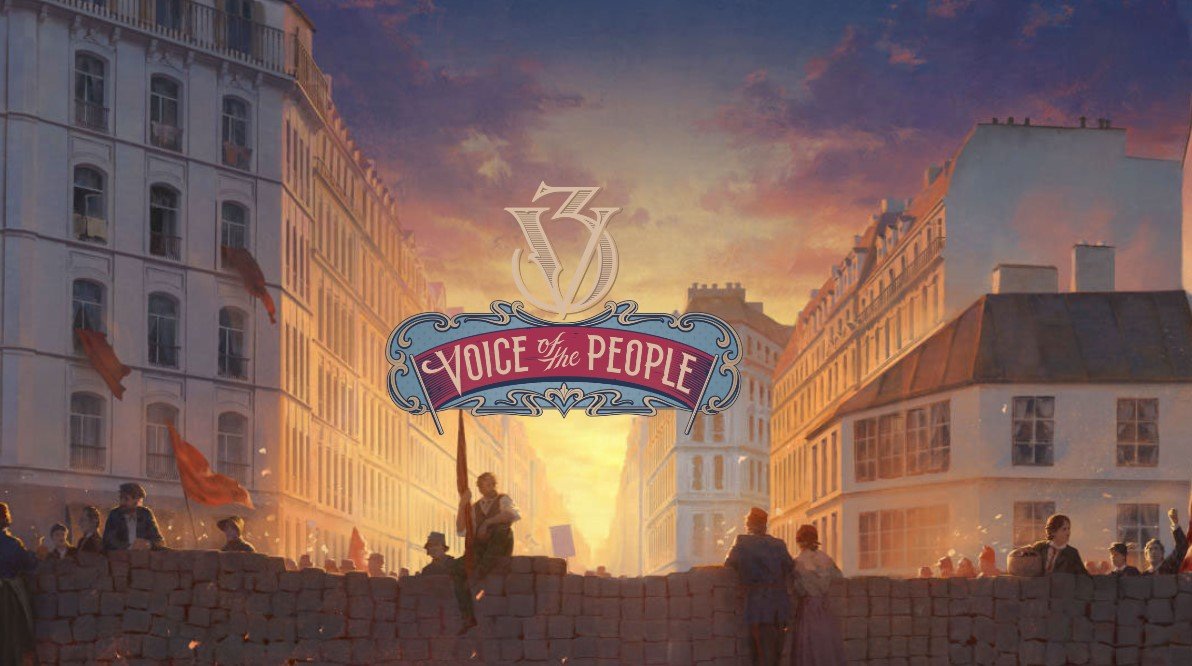
Believing that public opinion is absolute brings both incredible benefits and significant risks to a society.
Pros of Vox Populi
- Ensures Accountability: When leaders know the public holds the ultimate power, they are forced to act in the best interest of the citizens. The fear of being voted out keeps politicians in check.
- Empowers the Marginalized: Democracy gives every citizen an equal voice. A billionaire and a daily wage worker both have exactly one vote. This equality levels the playing field.
- Drives Social Progress: Public opinion often evolves faster than legislation. Mass movements for civil rights, women’s suffrage, and environmental protection all started as the “voice of the people” before becoming law.
- Prevents Dictatorship: Authoritarian regimes rely on silencing the public. By elevating the voice of the masses, societies create a natural defense mechanism against tyranny.
Cons of Vox Populi
- Risk of Mob Mentality: As Alcuin of York noted, crowds can be irrational. Panic, prejudice, and anger can spread quickly, leading to poor collective decisions.
- Susceptibility to Propaganda: The “voice” of the people is only as good as the information they receive. Fake news and propaganda can manipulate public opinion, leading voters to support destructive policies.
- Tyranny of the Majority: If 51% of a population decides to take away the rights of the remaining 49%, it is technically the “voice of the people.” This highlights why pure public will must be balanced with human rights.
- Short-Term Thinking: The general public often demands immediate relief (like tax cuts or subsidies) without considering long-term economic consequences (like inflation or national debt).
The Role of Social Media in Shaping the Public Voice

In the 21st century, the definition of the “public voice” has shifted dramatically due to the internet. Platforms like X (formerly Twitter), Facebook, Instagram, and WhatsApp have created a digital public square.
The Amplification Effect
Social media allows citizens to bypass traditional media gatekeepers. If a local injustice occurs, a viral video can instantly generate national outrage. In this sense, technology has made the vox populi louder and faster than ever before.
The Echo Chamber Problem
However, social media algorithms are designed to show users content they already agree with. This creates echo chambers. Often, what appears to be the “voice of the people” on a trending hashtag is actually the voice of a highly organized, vocal minority using bots or coordinated campaigns.
Therefore, in the digital age, it is incredibly difficult to distinguish between the genuine will of the people and manufactured outrage.
Frequently Asked Questions (FAQs)
Here are the most common questions people ask regarding the origin, usage, and implications of this famous Latin phrase.
1. What is the literal translation of Vox Populi Vox Dei?
The literal English translation is “The voice of the people is the voice of God.” “Vox” means voice, “populi” means of the people, and “Dei” means of God.
2. Who first said Vox Populi Vox Dei?
The earliest known written record comes from Alcuin of York, an English scholar. He wrote the phrase in a letter to King Charlemagne in 798 AD.
3. Did the original author support this concept?
No. Ironically, Alcuin of York used the phrase to criticize it. He advised Charlemagne not to listen to those who equate the public’s voice with God’s will, warning that crowds are prone to madness and irrationality.
4. How do you pronounce Vox Populi Vox Dei?
It is pronounced as: Voks pop-yoo-lee, voks day-ee.
5. How does this phrase apply to Indian politics?
In India, the phrase is frequently used by journalists and politicians during election seasons. When a political party wins a decisive majority in the Lok Sabha or State Assemblies, commentators use the phrase to emphasize that the public mandate is supreme and must be respected.
6. What is the opposite of Vox Populi?
The opposite concept is Autocracy or Dictatorship, where the voice of a single ruler (or a small elite group) dictates the law, completely ignoring the will of the general public.
7. Can the “voice of the people” lead to mob rule?
Yes. When public opinion is driven by sudden anger, misinformation, or prejudice, it can degrade into ochlocracy (mob rule). This is why democratic republics rely on Constitutions to protect minority rights from the temporary passions of the majority.
8. What is a modern example of Vox Populi?
A modern example includes public referendums (like Brexit), massive peaceful protests that result in policy changes (such as the Indian farmers’ protests), and general election mandates.
9. Why is Latin still used for legal and political phrases?
Latin was the language of scholars, law, and religion in Europe for centuries. Phrases like vox populi, habeas corpus, and status quo survived because they offer concise, universally understood summaries of complex legal and philosophical concepts.
Conclusion
Understanding the true vox populi vox dei meaning requires looking past its simple translation. While it literally means “the voice of the people is the voice of God,” its history is filled with irony, debate, and evolution.
Born as a warning against the dangers of mob mentality by Alcuin of York in the 8th century, the phrase evolved into the ultimate slogan for democratic empowerment. Today, especially in thriving democracies like India, it serves as a powerful reminder that governments serve at the pleasure of the citizens.
Yet, the original warning remains relevant. The voice of the people is powerful, but it is not infallible. It can be manipulated by misinformation, swayed by emotion, and corrupted into majoritarianism.
For a society to thrive, it must absolutely listen to the vox populi. However, it must also temper that voice with strong constitutional laws, independent judiciaries, and a commitment to human rights. Only then can the voice of the people truly build a just and equitable world.