Pookie Meaning: Why This Cute Pet Name Is Trending Online
If you have spent more than five minutes on Instagram, TikTok, or Snapchat recently, you have probably seen the word pookie. Whether it is a comment under a viral reel, a cute text from your best friend, or a meme featuring a baby animal, the word is everywhere. But what is the exact pookie meaning, and why did it suddenly take over the internet?
In simple terms, pookie is an affectionate nickname used to describe someone or something you find absolutely adorable, precious, or deeply beloved. It is a modern term of endearment, much like “sweetheart” or “honey,” but with a distinct Gen Z internet twist.
This guide will break down everything you need to know about this viral slang. We will explore its origins, how it became a cultural phenomenon in India, the psychology behind why we use it, and how you can seamlessly add it to your daily vocabulary without sounding completely out of touch.
What Does Pookie Mean?
At its core, pookie is a noun and an adjective used to express extreme fondness. When you call someone a pookie, you are telling them that they are cute, safe, comforting, and special to you.
While older generations relied on words like “darling,” “babe,” or “dear,” modern digital natives use pookie to express a lighter, more playful form of love. It is completely gender-neutral and age-neutral. You can use it for your romantic partner, your childhood best friend, a fluffy stray dog you met on the street, or even a fictional character in a movie.
The Adjective Shift: “Looking Pookie”
Recently, the word has evolved from a simple noun into a descriptive adjective. People now say things like, “You look so pookie today.” In this context, it means looking effortlessly cute, stylish in a soft way, or radiating positive, approachable energy.
You might think pookie was invented by teenagers on TikTok in 2023, but the word actually has a much longer history.
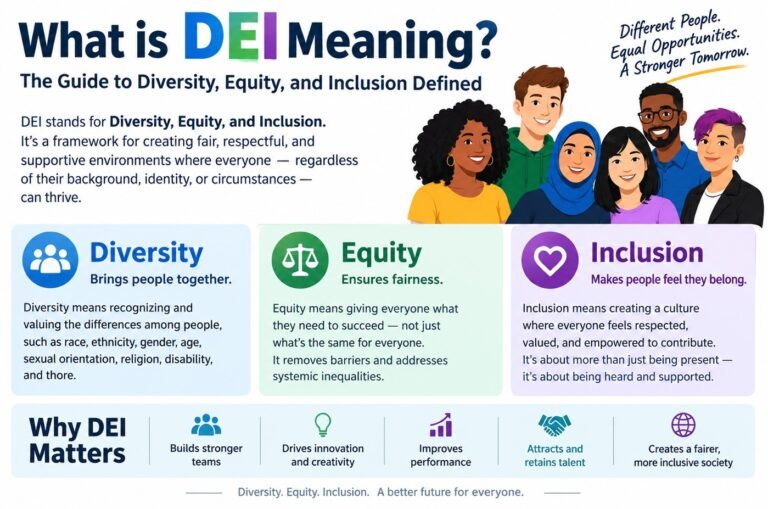
Learn More: What is DEI Meaning
The Origin and History of Pookie
Early 20th Century Roots
Linguists trace the phonetic sounds of “pookie” back to early Germanic and European baby talk. Words ending in the “ee” sound (like sweetie, cutie, baby) naturally appeal to the human brain because they mimic the high-pitched sounds parents make at infants. Some researchers believe it stems from the old German word “puck,” meaning a mischievous but cute sprite or fairy.
Pop Culture in the 1990s and 2000s
Before the internet claimed it, the word popped up in various movies and television shows. It was occasionally used by older couples as an overly sweet, almost annoying pet name in sitcoms. The comedy classic Garfield even featured Garfield’s beloved childhood teddy bear, perfectly named Pooky.
The 2023 Internet Explosion
The true catalyst for the modern pookie meaning came from short-form video algorithms. In early 2023, couples on TikTok began posting “Outfit of the Day” (OOTD) videos. One specific creator went viral for constantly hyping up his wife’s outfits, calling her his “pookie bear” in a hilarious, over-the-top voice. The internet found it hilarious and endearing, and millions of users quickly adopted the phrase.
Understanding how a word becomes a global phenomenon requires looking at how digital algorithms push content.
How Pookie Went Viral on Social Media
The TikTok Catalyst
TikTok relies heavily on audio trends. When the original “pookie” audio went viral, thousands of users lip-synced to it. They used the audio to show off their pets, their cars, their favorite foods, and their friends. The sheer volume of repetition cemented the word into the digital dictionary.
Instagram Reels and Meme Culture
Once the word hit Instagram, it evolved into meme format. Users started creating highly relatable, text-heavy memes. You will often see images of two cute kittens sitting next to each other with the text: “Me and my pookie waiting for our food.” This visual association with small, cute animals solidified the word’s soft, wholesome vibe.
Twitter (X) and Irony
On Twitter (now X), the word took on a slightly ironic edge. Users began applying this incredibly soft word to intense or unlikely situations. For example, sports fans started calling aggressive, heavily bearded cricket or football players “my pookie” when they scored a winning point. This ironic contrast makes the joke even funnier.
India has one of the largest and most active Gen Z populations on the internet. As global trends enter the Indian digital space, they always get a unique cultural twist.
The Pookie Meaning in India
Best Friend Culture
In India, pookie is heavily associated with female friendships and college besties. Walk onto any university campus in Delhi, Mumbai, or Bangalore, and you will hear friends greeting each other with, “Hi pookie!” It has become a staple in WhatsApp group chats, replacing older slang like “bro,” “yaar,” or “bestie.”
Bollywood and Celebrity Stans
Indian fan culture is intense. Fans frequently use the word to describe their favorite Bollywood celebrities or cricketers. When a famous actor posts a candid, smiling photo, the comment section is immediately flooded with fans calling him “pookie.” It humanizes massive celebrities, bringing them down to a relatable, adorable level.
The Hinglish Integration
Indian internet users are masters of blending Hindi and English (Hinglish). It is entirely normal to see sentences like, “Mera pookie aaj kitna cute lag raha hai” (My pookie is looking so cute today). The word slots perfectly into Hindi grammar, making it incredibly easy to adopt.
One of the best things about this slang is its extreme versatility. Unlike “hubby” or “wifey,” which are strictly romantic, pookie has no boundaries.
Who Can You Call a Pookie?
- Your Romantic Partner: This is the most common use. It is a sweet, lighthearted way to address your boyfriend, girlfriend, or spouse.
- Your Best Friend: Platonic love is highly celebrated online. Calling your best friend pookie shows deep affection and loyalty.
- Your Pets: Dogs, cats, hamsters, and even pet fish are prime candidates. If it is small, cute, and yours, it is a pookie.
- Fictional Characters: Anime fans and book lovers frequently use this term for characters who need protecting or have a soft personality.
- Inanimate Objects: In a funny, ironic twist, people often refer to their favorite possessions—like a customized gaming setup, a beloved car, or even a morning iced coffee—as their pookie.
If you want to start using this slang without sounding awkward, you need to understand the syntax. Here is a quick guide on how to deploy it perfectly.
How to Use Pookie in a Sentence
As a Direct Noun
Use this exactly as you would use a person’s name or a traditional pet name.
- “Good morning, pookie! Did you sleep well?”
- “I am going to the mall with my pookie today.”
- “Don’t be sad, pookie, we will figure it out.”
As an Adjective
Use this to describe an aesthetic, an outfit, or an overall vibe.
- “Your new dress is so pookie, I love it.”
- “Why is he acting completely pookie right now?”
- “That cafe had the most pookie aesthetics ever.”
The “Pookie Bear” Variation
When you want to be extra dramatic or show exaggerated affection, add the word “bear.”
- “I missed you so much, my little pookie bear!”
- “Whatever you say, pookie bear.” (This can also be used sarcastically to shut down an argument playfully).
To truly understand the pookie meaning, it helps to compare it to other popular slang words. Here is a breakdown of how it stacks up against the competition.
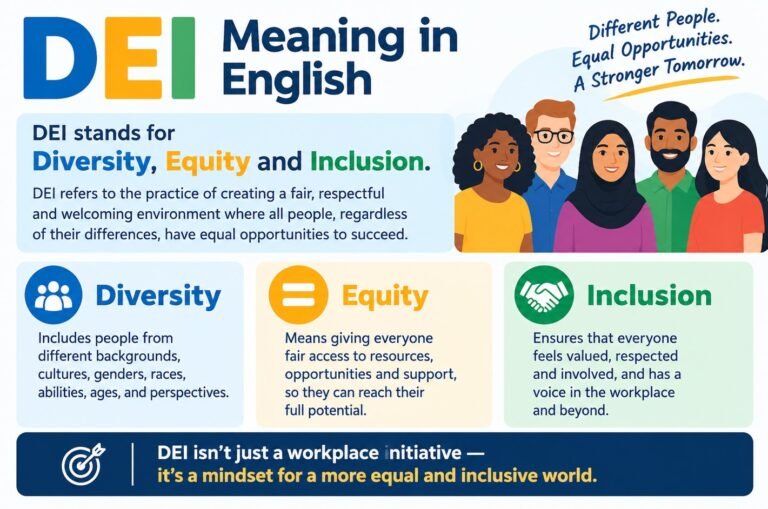
Learn More: DEI Meaning in English
Slang Comparison: Pookie vs. Other Pet Names
| Slang Term | Primary Use Case | Tone / Vibe | Romantic Only? |
| Pookie | Best friends, pets, partners | Wholesome, cute, playful, silly | No (Highly versatile) |
| Bae | Romantic partners | Slightly outdated (2014 era), serious | Yes |
| Bestie | Close friends | Supportive, energetic, loud | No (Strictly platonic) |
| Hubby/Wifey | Spouses or long-term partners | Committed, traditional, serious | Yes |
| Pookie Bear | Anyone you want to playfully annoy | Exaggerated, dramatic, loving | No |
Like any piece of internet slang, this word has its time and place. Let’s look at the advantages and disadvantages of adding it to your vocabulary.
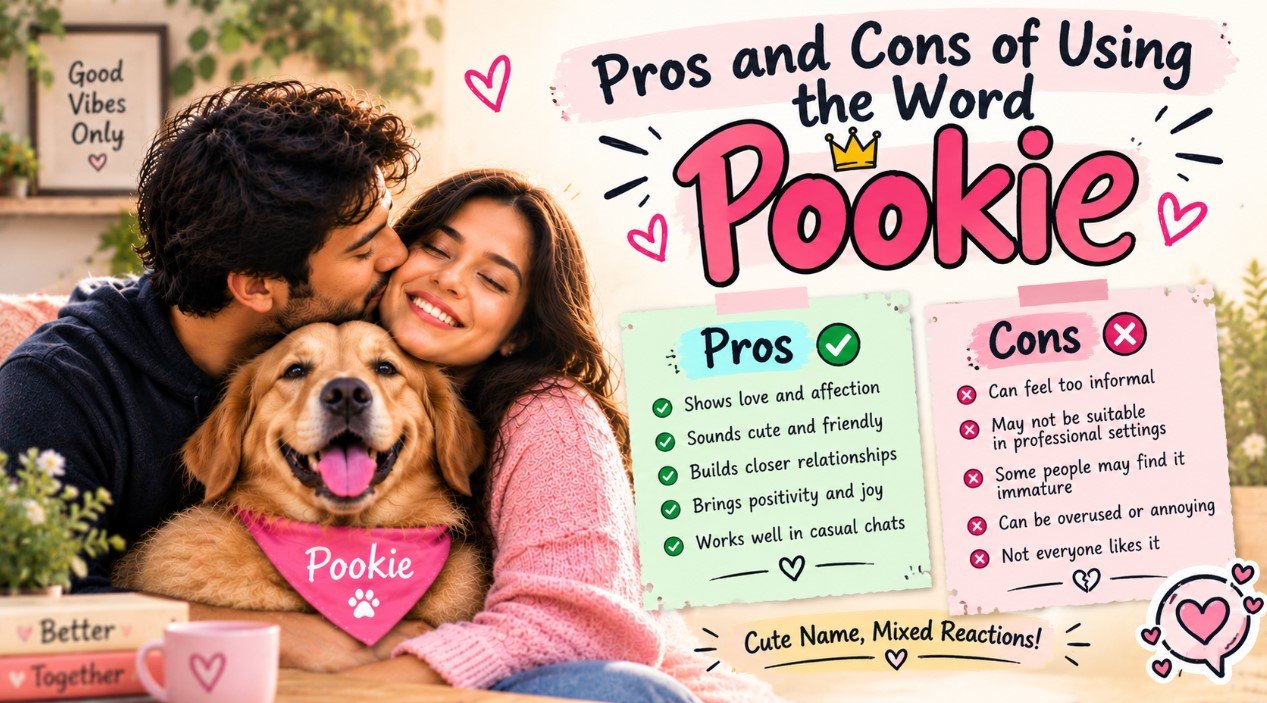
Pros and Cons of Using the Word Pookie
Pros:
- Builds Instant Connection: Using soft language lowers guards and makes the person you are talking to feel safe and cherished.
- Highly Versatile: You only need to learn one word to show affection to your mom, your dog, and your boyfriend.
- Diffuses Tension: If you are having a minor argument with a friend, calling them a silly pet name can instantly break the ice and cause a smile.
- Keeps You Culturally Relevant: Using current slang shows you are in tune with modern communication styles and internet culture.
Cons:
- Can Sound Unprofessional: You absolutely should not use this word in a corporate email, an office meeting, or with your boss.
- Might Annoy Some People: Not everyone likes baby talk. Some people find words like this overly sweet or cringeworthy.
- Fast Expiration Date: Internet slang moves fast. While pookie is incredibly popular right now, it might be replaced by a new word in a year or two.
Why do adult humans resort to making up silly words for each other? The answer lies in psychology and neuroscience.
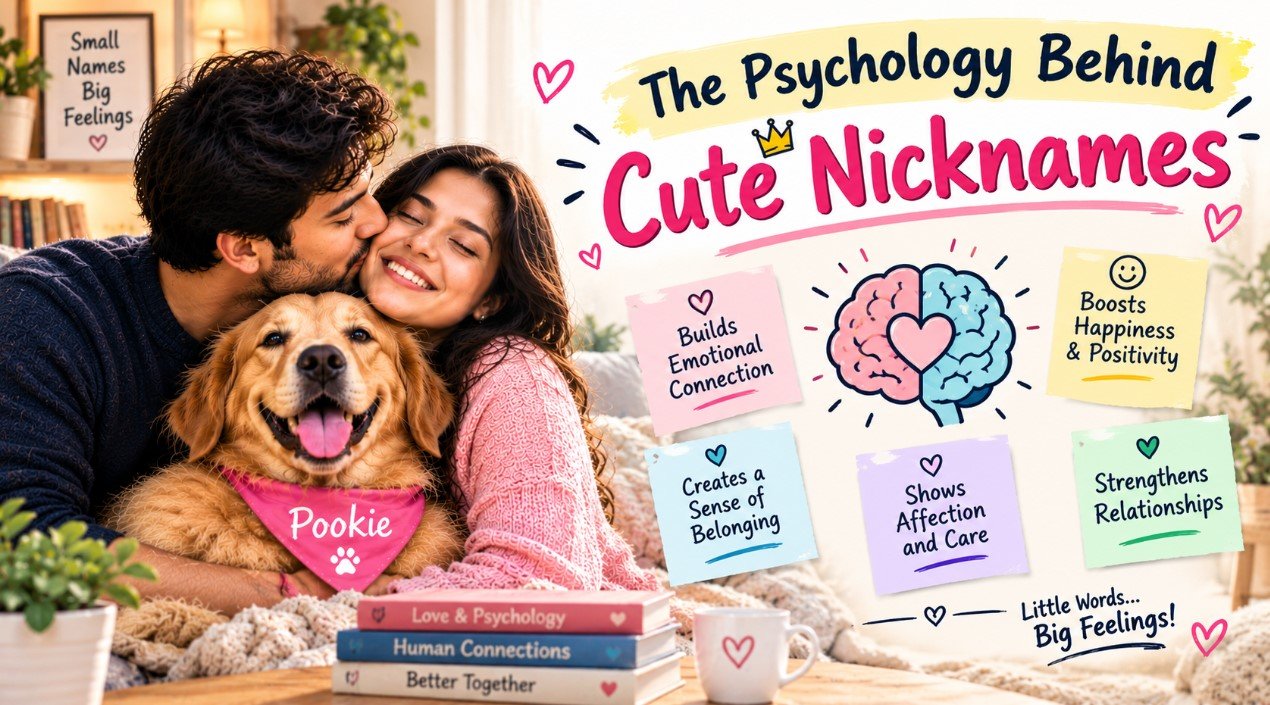
The Psychology Behind Cute Nicknames
The Science of “Motherese”
When we find something cute—whether it is a baby, a puppy, or a romantic partner—our brains instinctively switch to a speech pattern scientists call “motherese” or baby talk. This involves higher pitches and repetitive vowel sounds. The “ee” sound at the end of pookie directly triggers this linguistic reflex.
Oxytocin and Bonding
Using special, exclusive nicknames releases oxytocin, often called the “love hormone” or “cuddle chemical.” When you call someone a special name that only the two of you use, it creates a psychological micro-boundary between you and the rest of the world. It signals safety, exclusivity, and deep trust.
Digital Intimacy
In a world where most of our communication happens through cold, flat text on a screen, we desperately need ways to inject warmth into our messages. We cannot use tone of voice or body language over WhatsApp. Therefore, exaggerated words like pookie serve as digital hugs. They add the emotional texture that a plain text message lacks.
Click Now: Vox Populi Vox Dei Meaning
Frequently Asked Questions (FAQs)
1. Is “pookie” a romantic word?
It can be, but it does not have to be. While many people use it for their boyfriends or girlfriends, it is equally common to use it for a platonic best friend, a sibling, or a pet.
2. Can a guy be a pookie?
Absolutely. The word is 100% gender-neutral. Many women refer to their boyfriends or male celebrities as their pookie. It simply means they find him adorable and endearing.
3. Is pookie a cringy word?
Cringe is subjective. While some older generations or highly formal people might find it silly, Gen Z uses it precisely because it is slightly ridiculous. The silliness is the point.
4. What does “looking absolutely pookie” mean?
If someone tells you that you look pookie, they are giving you a massive compliment. It means your outfit, your hair, or your overall vibe is incredibly cute, soft, and attractive in an approachable way.
5. How do you reply when someone calls you pookie?
The best response is to match their energy. You can call them pookie back, send a cute emoji (like the pleading face 🥺 or a pink heart 💖), or simply say, “Thank you, bestie!”
6. Did TikTok invent the word pookie?
No. While TikTok is responsible for making it a global mega-trend in 2023 and 2024, the word has existed in pop culture and standard English baby talk for decades.
7. Is it okay to call my coworker a pookie?
Generally, no. Unless you are incredibly close friends outside of the office, using internet slang and terms of endearment in a professional setting can come across as unprofessional or cross boundaries. Keep it for your personal life.
8. What is the difference between pookie and pookie bear?
They mean the exact same thing, but “pookie bear” is simply a more exaggerated, dramatic version. People usually say “pookie bear” when they are joking around, trying to be overly affectionate, or lightly teasing someone.
Conclusion
Language is a living, breathing thing that constantly evolves, and internet culture only speeds up that evolution. The pookie meaning has transformed from a forgotten piece of 90s baby talk into the internet’s favorite term of endearment.
Whether you are in India hyping up your college best friend’s Instagram photo, texting your partner after a long day, or watching a viral video of a cute golden retriever, this word perfectly captures the feeling of soft, unconditional affection.
While internet trends come and go rapidly, the core emotion behind this word—wanting to make someone feel special, safe, and loved—will never go out of style. So, do not be afraid to embrace the silliness. Go ahead, text your best friend, and let your inner pookie shine.